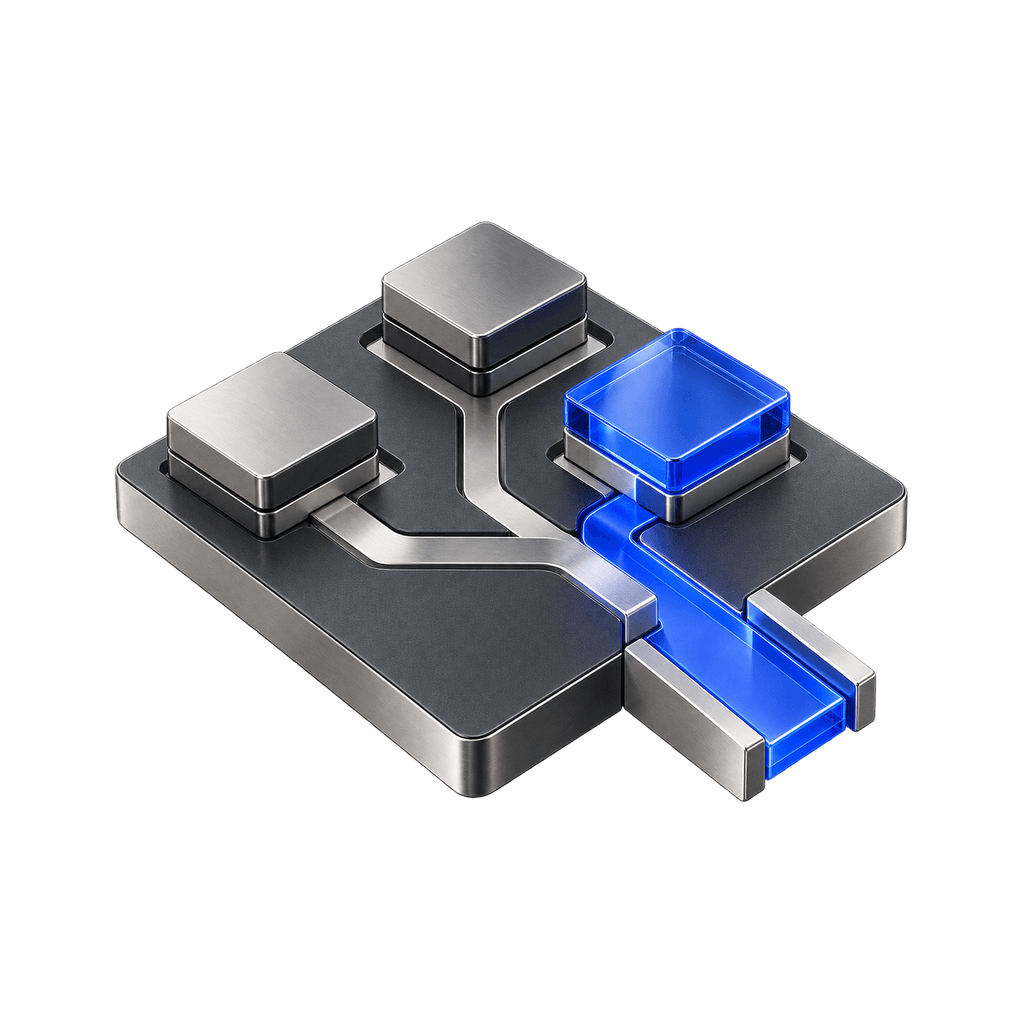
We define the scope.
We check the results.

Before development starts we agree two things: what the system has to do, and how we will check that it does. Then we work in releases, so you try real software early and can change the scope with what you learn.

Strategy and discovery

We review the process, data and project constraints. We compare what to build and what to buy, then agree responsibilities and the evidence needed for the investment decision.

Prioritised opportunities, cost assumptions, success measures and a delivery roadmap.
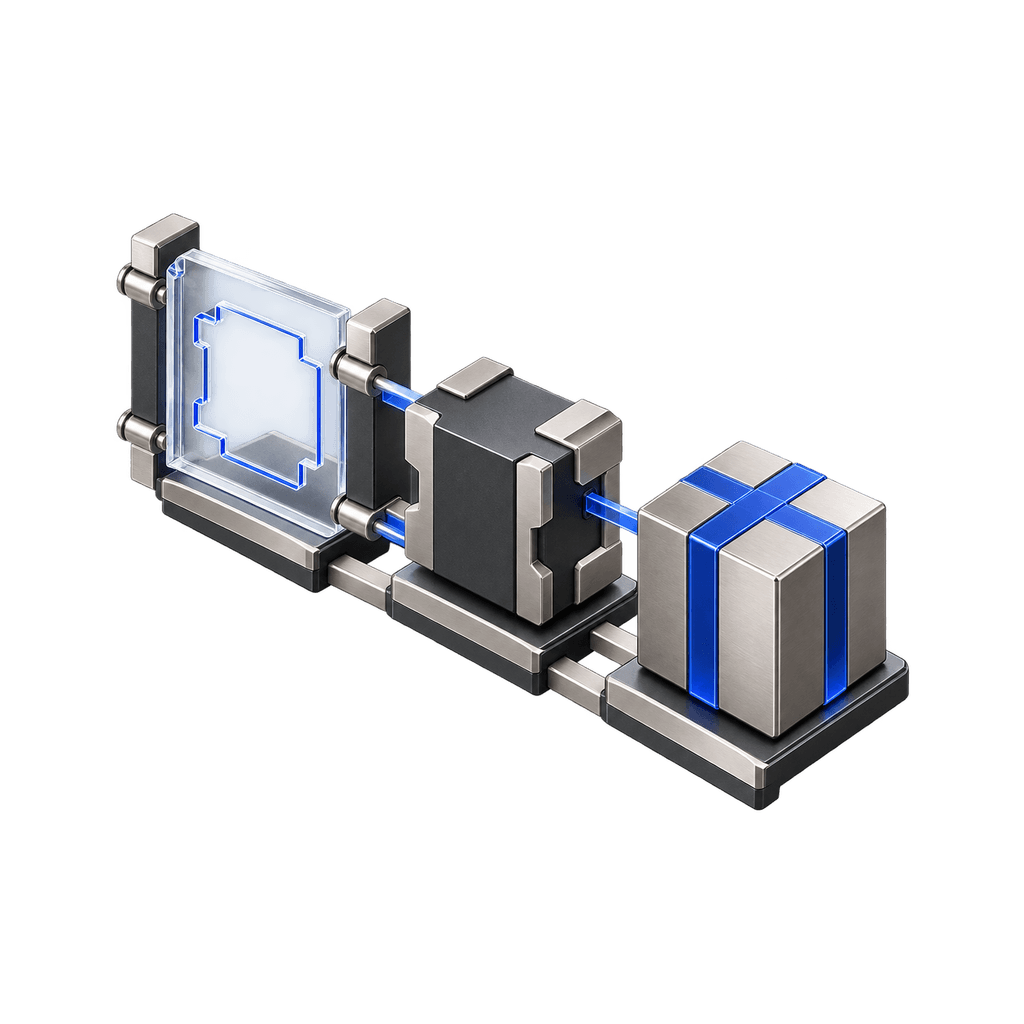
Design and delivery

We agree acceptance criteria and develop releases the team can try. The work includes integrations, preparation for operation and training for the people who will maintain the system.

Working software, evaluation results, operating guides and training for your team.
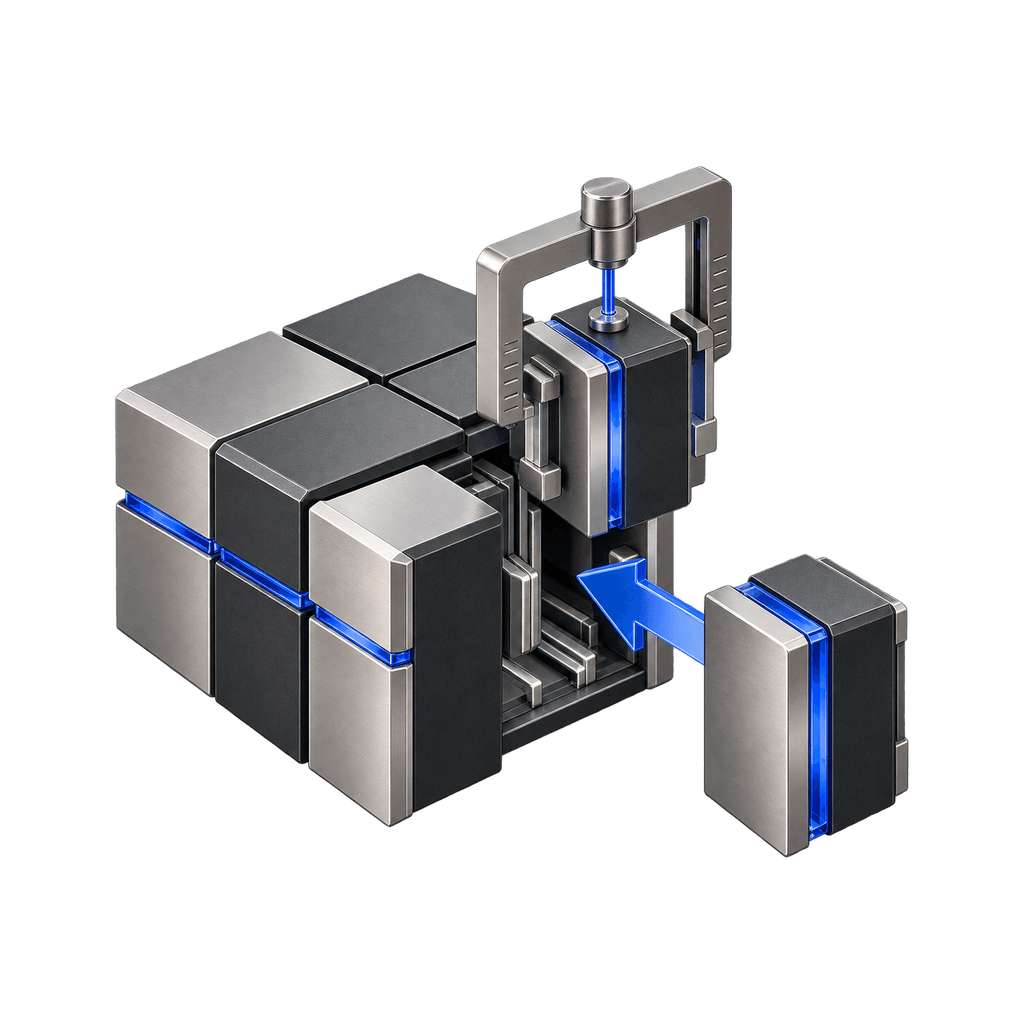
Review and improvement

We review faults, architecture and costs alongside how the system is used. We agree what to fix first and how to check that the changes solve the problem.

A technical assessment, agreed priorities and a measurable baseline.
We understand the work.

We watch how people do the task today and where they get stuck. Ideas are tested with prototypes, and constraints are agreed before development. Sometimes that review shows the process needs fixing and AI adds nothing, which is a useful result too.

We agree how to check the result.

We define acceptance criteria before writing code. With test-driven development (TDD), we write a failing test, implement the change and refactor while preserving behaviour. For AI, we prepare tasks and evaluation criteria before changing the model, instructions or retrieval. Automated checks are combined with human review; when another model scores responses, we compare its assessment with the reviewers’ judgement.

We start with a bounded task.

The first version does one task that a real user can try. Where it fails tells us more than a workshop would, and it decides what goes into the next release.

We define who can do what.

We agree permissions and which actions need approval. Anyone reviewing an answer can see its sources, and can step in when the system is out of its depth.

We monitor the system in use.

We measure errors, response times and availability against agreed targets. Logs and traces help us locate faults and assign their resolution. For AI workflows, we also check completed tasks, answer quality and cost. Incidents and user feedback become part of the test cases.

We prepare the handover.

We work with the team that will maintain the system, so nothing at handover comes as a surprise. Architecture decisions are written down, and the delivery process is one they can repeat.

The work continues after launch.

We document the architecture and the decisions that constrain later changes. Automated tests and training for your team are part of the delivery.